The 4 Ps Aren't Dead. They're Just Not Enough Anymore.
Product, Price, Place, Promotion... the fundamentals still matter. But AI, algorithms, and real-time markets have made executing them dramatically harder. Here's what's changed and why it requires a different kind of leader.
MARKETING STRATEGY#GENERALLYSPEAKINGBUSINESS INSIGHTS
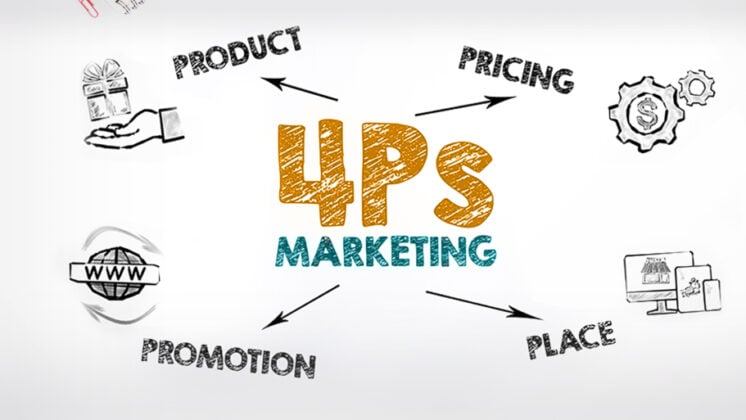

E. Jerome McCarthy introduced the 4 Ps in 1960. Six decades later, marketing professors are still teaching them on day one.
They're not wrong to. The fundamentals don't die. They evolve.
The mistake isn't in knowing the 4 Ps... it's in thinking that understanding them is the hard part.
What's Changed About Each One
Product is no longer built in a boardroom and handed to the market. Customers co-create it now. The feedback loop between consumer behavior and product roadmap runs in near-real time. If you're not building community input into your development process, you're making decisions with less information than your competitor who is.
Price used to be set seasonally. Now it shifts dynamically, responds to competitor pricing in real time, and comes in formats... subscriptions, bundles, freemium... that McCarthy wasn't thinking about. The question isn't just "what should this cost" but "how do we structure the relationship around value over time."
Place has fundamentally changed. Distribution used to mean getting your product on the right shelf. Now it means getting found by the right algorithm. Google, Amazon, Instagram, TikTok Shop... they control who sees what, when, and at what price. You don't control distribution the way you used to. You manage visibility inside someone else's system.
Promotion now has to work for humans AND machines simultaneously. Your messaging needs to convert people, rank in search, pass platform content filters, and play well with paid amplification. A creative director who only thinks about what looks good on camera is working with half the picture.
So What's Actually Changed?
The 4 Ps aren't harder to understand. They're harder to execute well simultaneously.
And the gap between teams that understand them and teams that can align them into a coherent go-to-market strategy has never been wider.
This is the argument for the marketing strategist over the specialist. A specialist can optimize one P. A strategist builds a system where all four move in the same direction at the same time.
When product decisions don't account for how the brand will tell the story, you get launches that are technically solid and commercially disappointing. When promotion doesn't understand what product can actually deliver, you get marketing that works until the customer actually buys... and then doesn't come back.
The 4 Ps Need a Quarterback
Someone who sees how they all connect before anyone starts executing on any one of them.
Not a coordinator. Not a traffic manager. A strategic leader who understands the full system... what each P requires, how they interact, and what breaks when they're out of alignment.
The companies getting this right aren't the ones with the biggest budgets or the most sophisticated tools. They're the ones with someone at the table asking the cross-functional question before the money gets spent.
The fundamentals haven't changed. The execution is 10x harder. That's the opportunity... for the leaders who can see the whole board.