Build Your Brand: The 3-Part Framework I Use With Every Client
Every business owner I’ve ever worked with has said some version of the same thing…
“I know I need to market better. I just don’t know where to start.”
Recently, at a workshop I ran in Braintree for local business owners, I heard it again. The topic was brand building. But the real conversation was about overwhelm.
Post 10 times a day. Run ads on five platforms. Optimize for SEO. Build funnels. Compete with AI content farms that never sleep.
No wonder everyone’s exhausted.
Here’s what I told them: you don’t need to do more. You need to do the right things consistently.
Three parts. That’s the whole framework. Let me break it down.
Part 1: Build Your Brand Kit
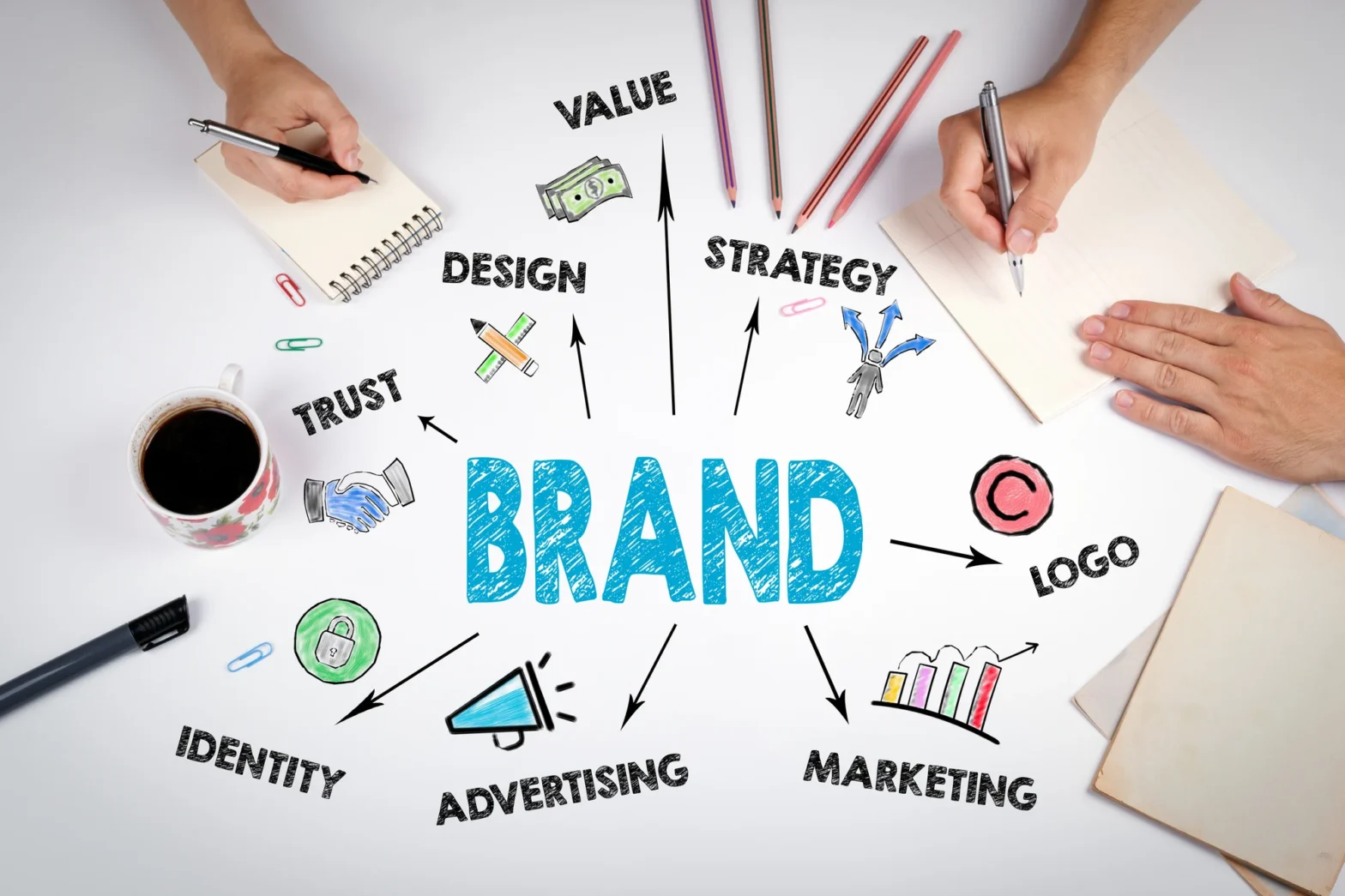
Your brand kit is the foundation. Not just a logo…everything that makes you recognizable.
Logo and wordmark. Colors (hex codes, not “kind of blue”). Fonts. Voice and tone. The way you show up every single time your name is attached to something.
This is non-negotiable.
I had someone show me a flyer recently where an AI tool had generated completely different brand assets for their business. Different logos. Unmatched colors. Different wordmarks. Totally unrecognizable as their brand.
Unacceptable.
Your logo always fits. If something needs to change, you tweak the design. You never let a tool…or anyone else…swap your identity for something it invented.
Consistency builds recognition. Recognition builds trust. Trust drives business. In that order. Every time.
Part 2: Define Your Audience
This is where most people get it wrong. They say their audience is everyone.
It’s not.
If you’re trying to talk to everyone, you’re talking to no one. Full stop.
Who specifically needs what you offer? And I don’t mean demographics. I mean psychographics. Do they know the problem they are trying to solve? What keeps them up at night? How could I make their life measurably easier?
When I worked on the Ninja Foodi launch at SharkNinja, we didn’t target “people who cook.” We targeted busy parents who wanted healthy meals without spending two hours in the kitchen. Specific. Focused. Clear.
That one decision told us what content to create, which platforms to be on, and what message would actually land.
Audience definition isn’t a box to check. It’s the lens everything else runs through.
Part 3: Create Content That Serves Them
Notice I didn’t say create content that feeds the algorithm.
The algorithm doesn’t buy from you. People do.
Your content should solve a problem, answer a question, or make someone’s life better. Do that consistently, and the algorithm will follow. Chase the algorithm without doing that and no posting frequency in the world will save you.
You don’t need 10 posts a day. Actually, you only need one post that actually matters. A piece of content that helps someone make a decision, understand something better, or feel less alone in their business.
Quality beats quantity. Every single time. I’ve never seen it go the other way.
Why This Works
The framework is simple. Almost too simple. But simple doesn’t mean easy.
Building a brand kit requires decisions. Defining your audience requires focus. Creating valuable content requires real insight into the people you’re serving.
The hard part isn’t understanding the framework. It’s doing it consistently when everything else is screaming for your attention.
But once you have this foundation, everything else gets easier. You’re not guessing what to post. You’re not chasing every new platform. Stop trying to be everything to everyone.
You’re showing up consistently, in a way that’s recognizable, for the people who actually need what you offer.
That’s marketing. That’s brand building. That’s strategy.
Where to Start
If you’re a small business owner feeling buried by the noise, start here.
Build your brand kit. Define your audience. Create content that serves them.
It’s not complicated. But it does require strategy.
And if you need help connecting the dots? That’s exactly what I’m here for.
Ready to build something that actually works? Start with the 3D Brand Audit.